

 Kit
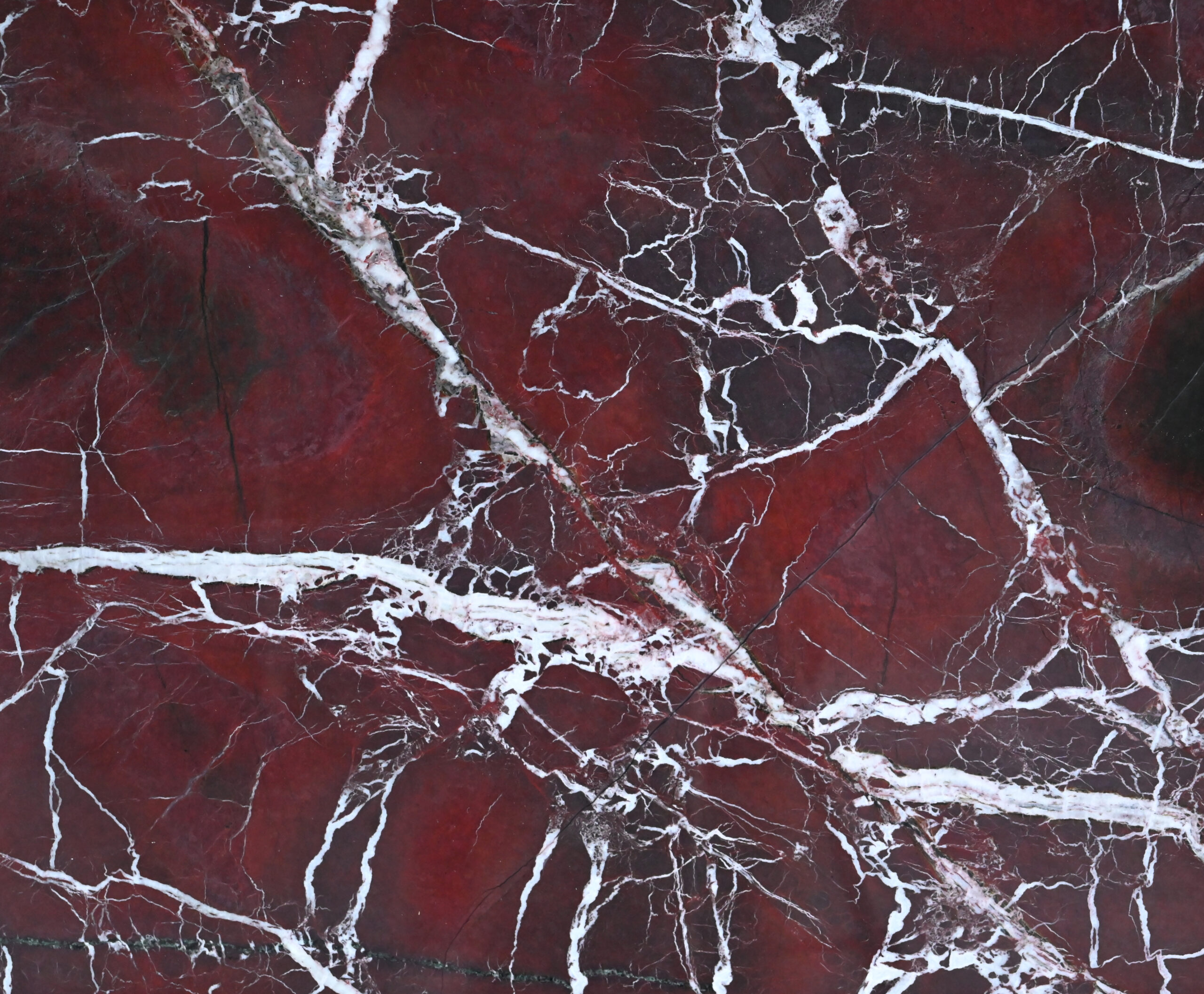
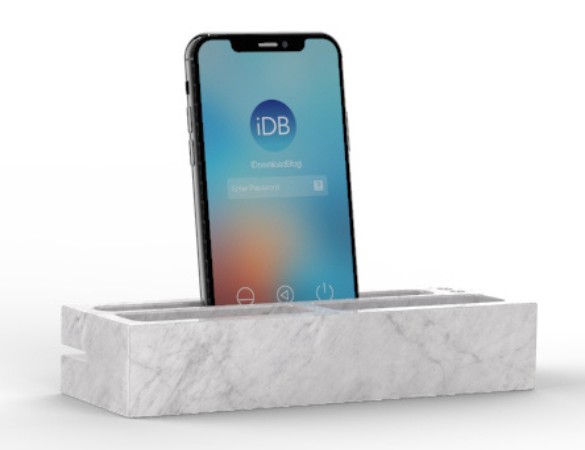
Kit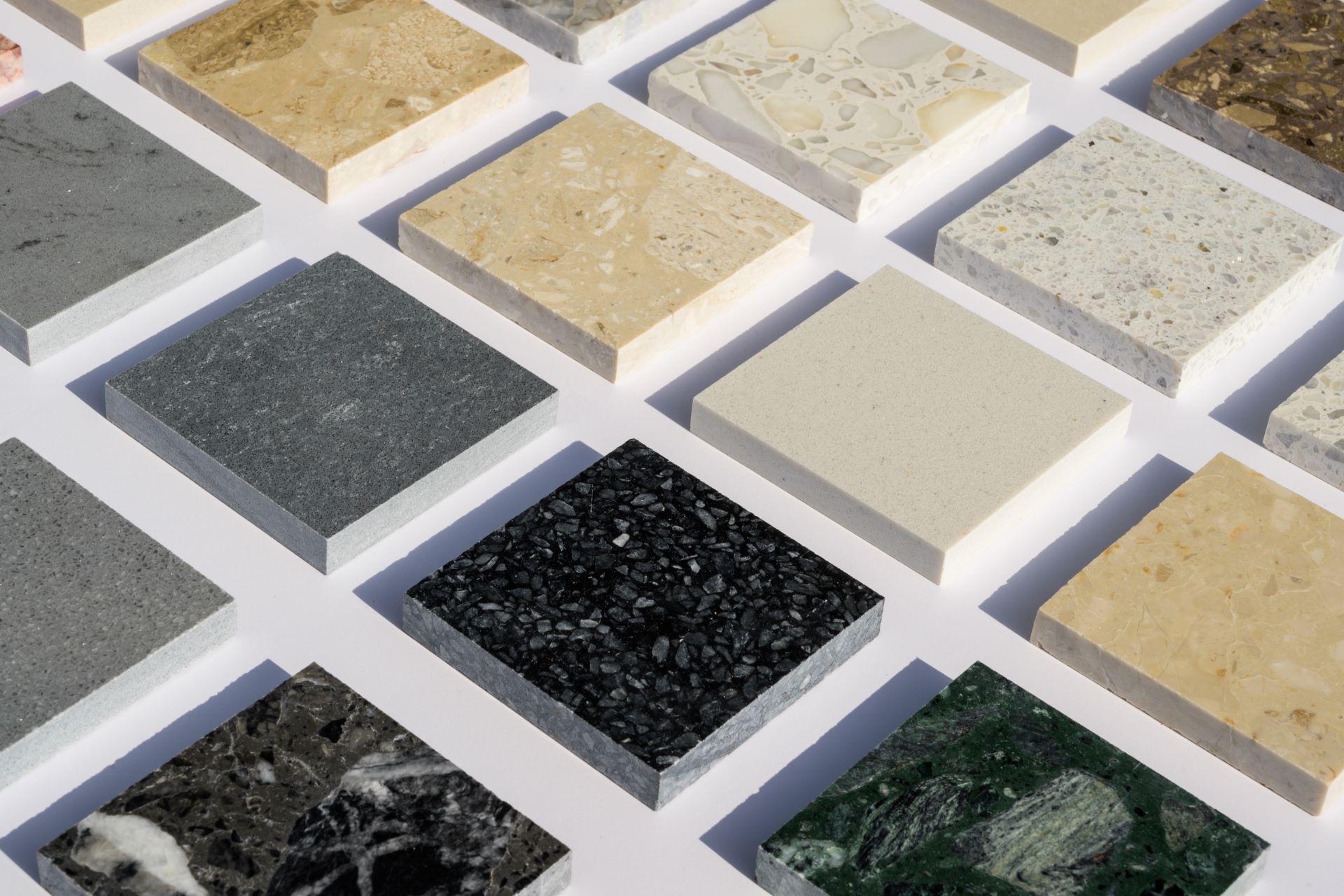 Samples



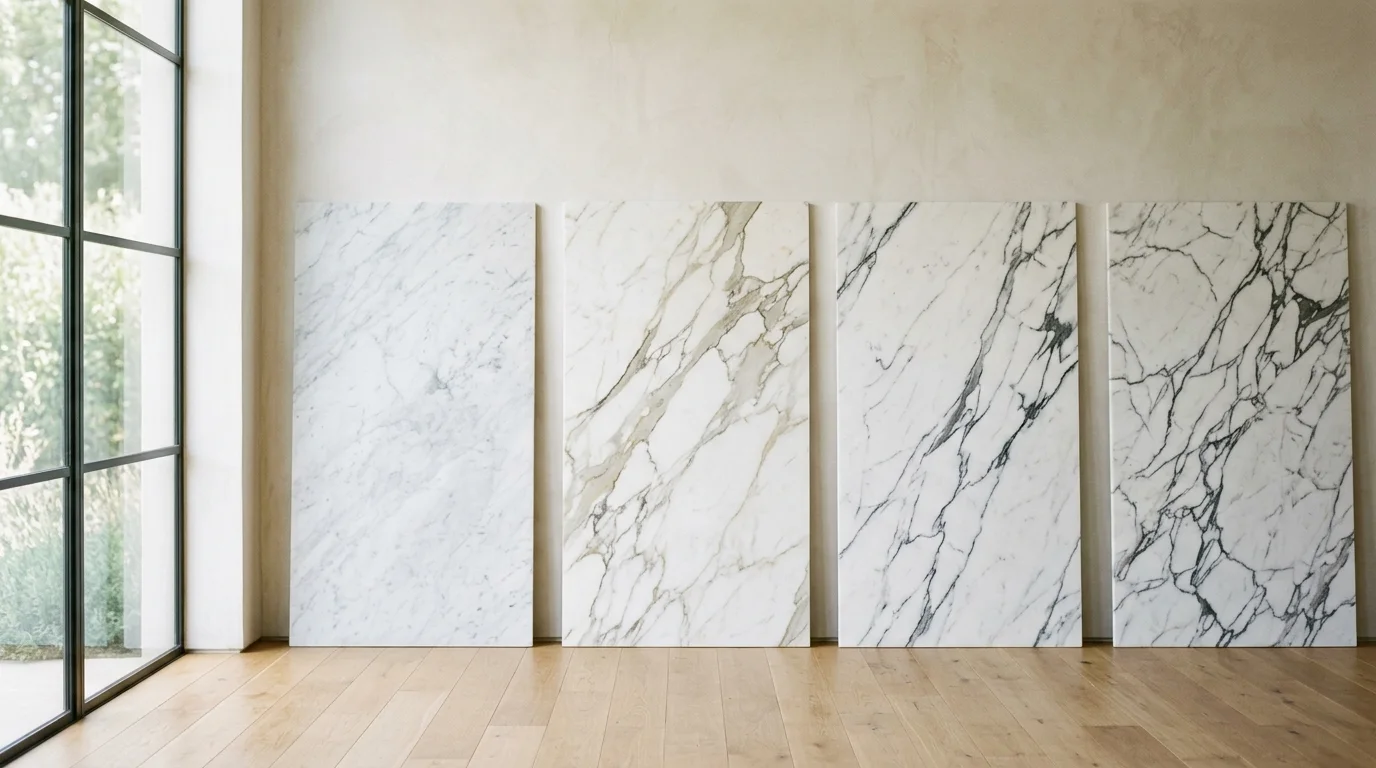
The main types of Italian white marble compared
If you are exploring the types of Italian white marble and how to choose them, the first step is to look past the generic label “white”. Each variety has its own background tone, vein character, compactness and ideal destination. The table below sums up the differences at a glance so you can shortlist before you ever touch a sample.
| Marble | Background & veining | Compactness & typical use |
|---|---|---|
| Bianco di Carrara | Soft grey-white background with fine, diffuse greyish veins. | Very workable; ideal for cladding, bathrooms and everyday worktops. |
| Statuario | Bright, almost pure white with sharp, decisive dark-grey veins. | Compact and prestigious; sculpture, feature walls, statement surfaces. |
| Calacatta | Warm white background with bold, wide veins in grey and gold. | Dense and dramatic; luxury kitchens, vanity tops, focal cladding. |
| Arabescato | White background crossed by intertwined, “lace-like” grey veins. | Decorative and lively; large cladding panels and design interiors. |
| Bianco Perlino | Warm ivory to beige background, subtle and uniform veining. | Uniform and discreet; floors and large continuous surfaces. |
| Lasa | Cool, crisp white with fine, linear and restrained veins. | Exceptionally compact; demanding floors, exteriors and precision work. |
How to recognise them at a glance
Three cues let you read a slab quickly. First, vein intensity: Bianco di Carrara and Lasa keep it subtle and fine, while Statuario, Calacatta and Arabescato make the veining the protagonist. Second, background tone: cooler and greyer in Carrara and Lasa, brighter white in Statuario, warmer and creamier in Calacatta and Bianco Perlino. Third, block uniformity: a consistent background with evenly distributed veins signals a tidy block, whereas abrupt shifts in colour or vein density often mean slabs come from different parts of the quarry and will not match seamlessly.
How finishes change the look
The same marble can feel completely different once finished, so always picture the surface treatment alongside the variety.
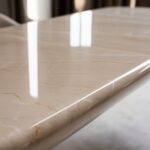
- Polished: maximises depth and reflectivity, intensifying veins and warming the background. It favours Calacatta and Statuario as statement pieces.
- Honed: a smooth matte surface that softens contrast and hides micro-wear, ideal for calmer floors in Bianco Perlino or Carrara.
- Brushed: adds a gentle texture and grip, muting the background and giving a more tactile, contemporary feel.
- Antiqued: a worn, mellow look that lowers glare and suits characterful cladding and classic interiors.
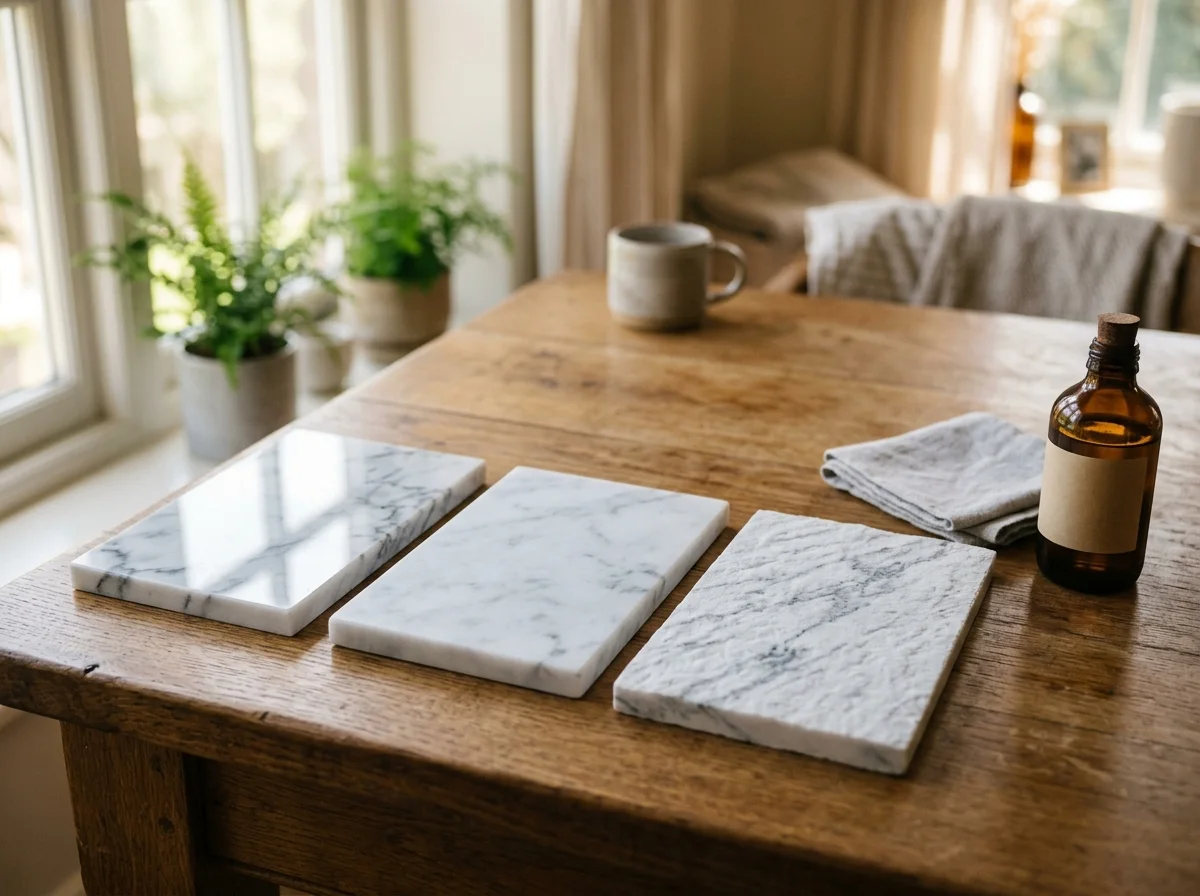
As a rule, the glossier the finish, the more visible the veining; the more matte and textured, the more uniform the stone appears.
Choosing checklist: 6 points to decide
1. Define the environment. Bathroom, kitchen, flooring or cladding each place different demands on the stone. High-traffic floors reward compact varieties like Lasa; decorative walls can host bolder Arabescato or Calacatta.
2. Assess exposure to stains and acids. Marble reacts to acidic substances (citrus, wine, vinegar). In kitchens and bathrooms plan protection from day one.
3. Check available formats and thickness. Confirm slab size and thickness suit your layout, spans and cut-outs before committing.
4. Verify vein continuity between slabs. For large surfaces or book-matched designs, ask that slabs come from the same block so the veining flows naturally.
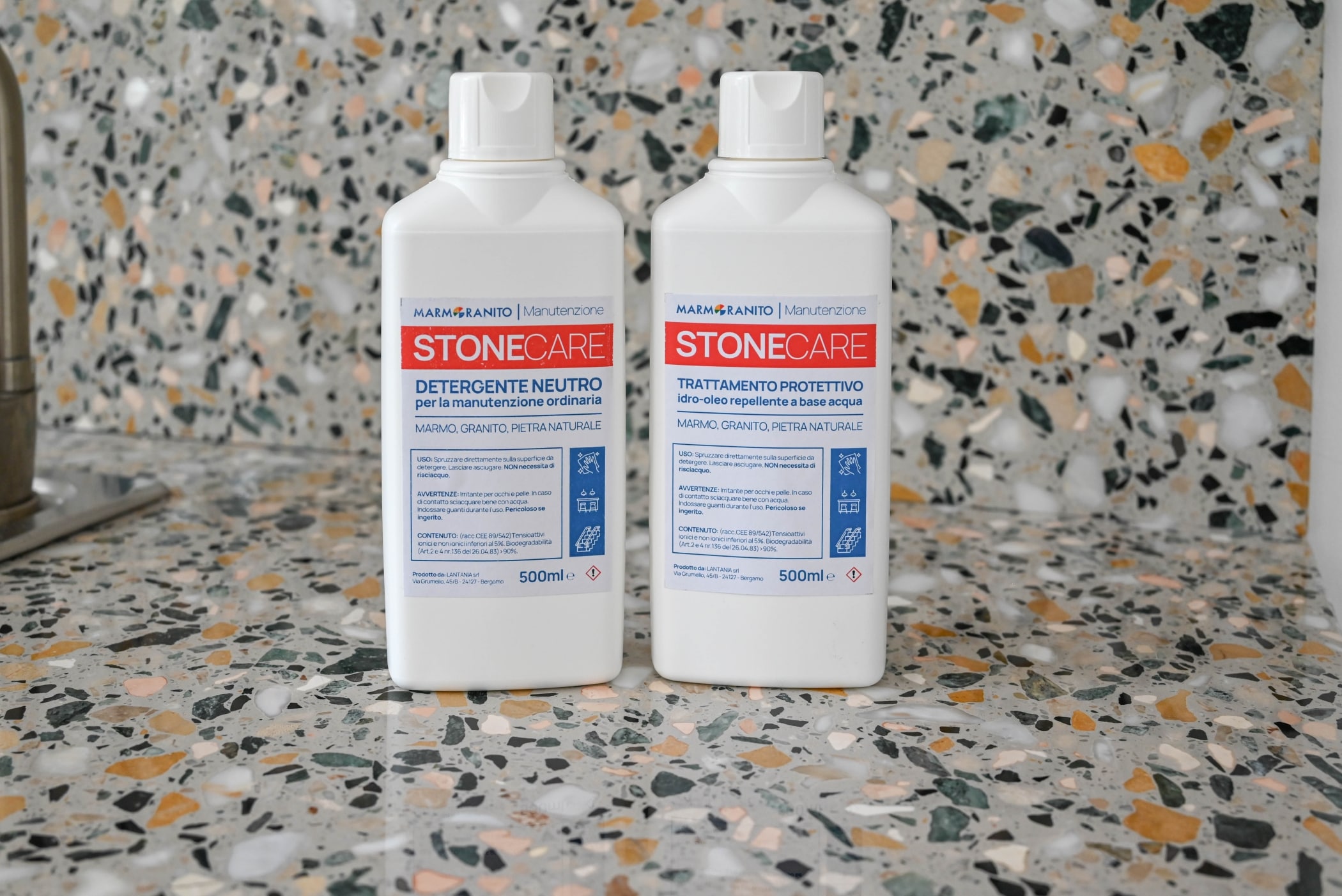
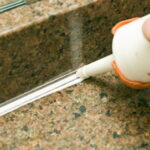
5. Plan the initial protective treatment. An impregnating sealer reduces absorption and buys time against spills. The StoneCare Kit – Stain Treatment for Marble & Granite is formulated for exactly this.
6. Inspect a real sample before ordering. Lighting, finish and background vary. Always judge the actual piece, in your own light, before confirming.
Final advice
There is no single “best” white marble: the right choice is the one that matches your environment, your tolerance for veining and the maintenance you are willing to commit to. Pair a compact variety and a suitable finish with a proper protective routine from the start, and your surface will keep its character for years. Shortlist two or three types, request matching slabs for larger projects, and let the real sample make the final call.