


 Kit
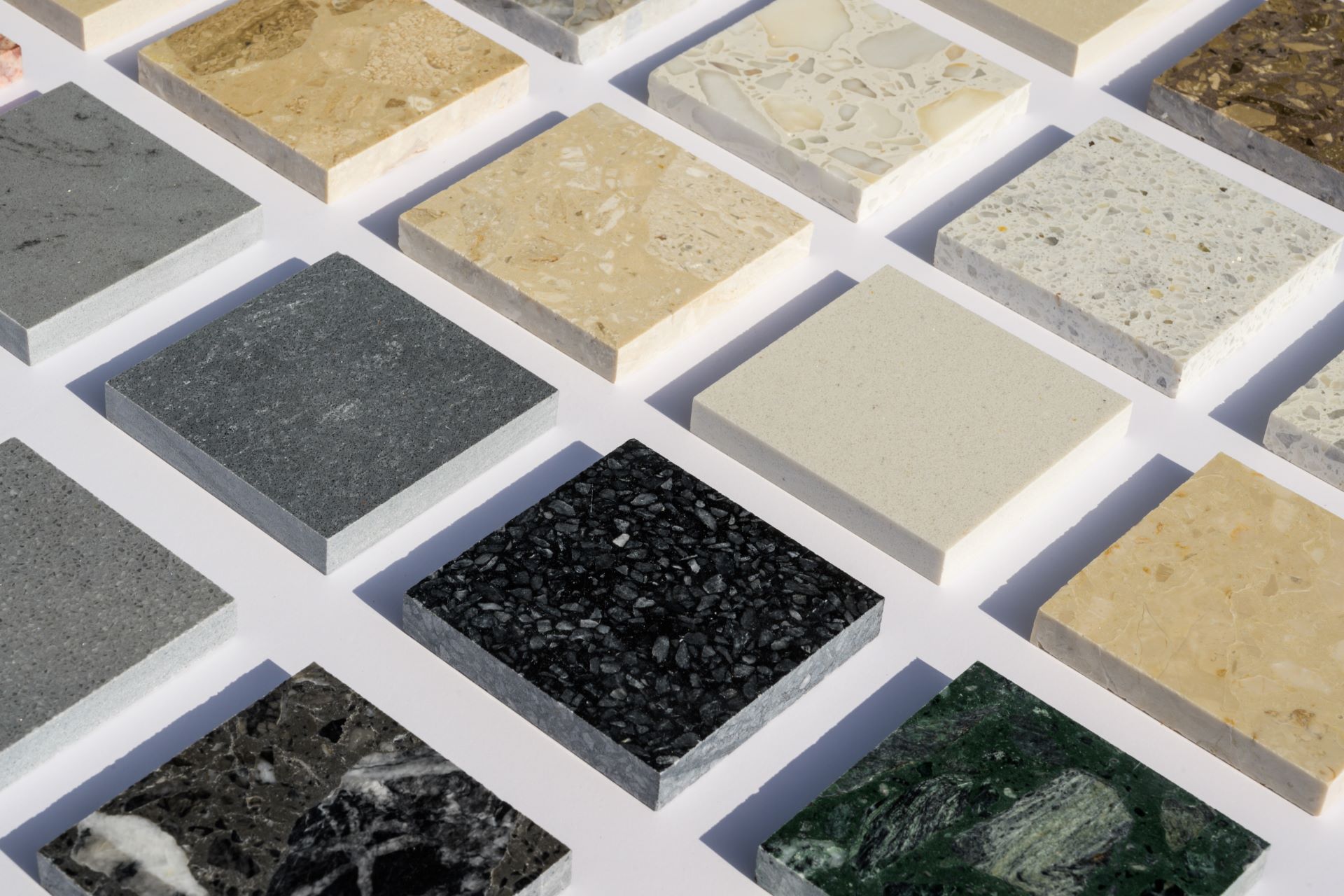 Samples


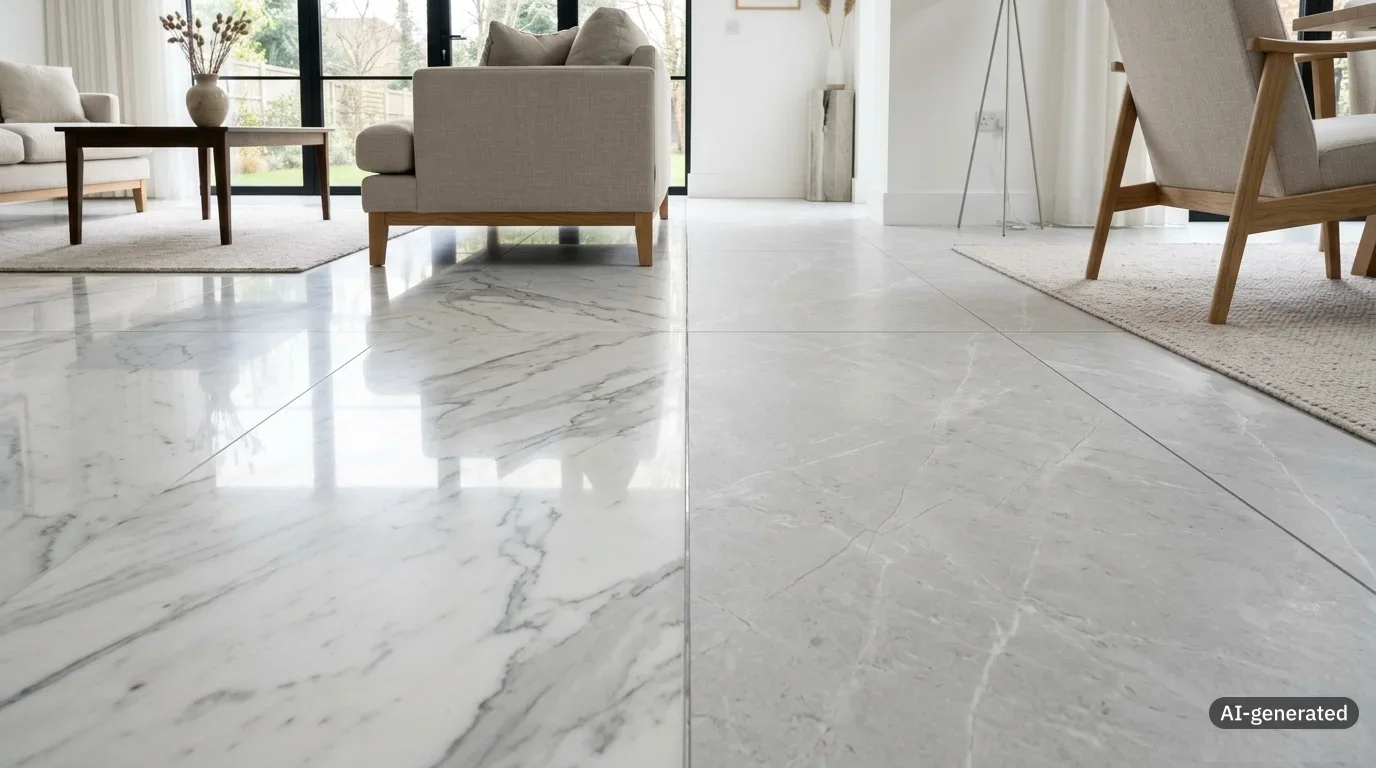
Marble or marble-effect porcelain: the difference that changes everything
When you are deciding between marble or marble-effect porcelain floor tiles, you are really comparing two different materials that only look similar. Marble is natural stone, quarried in blocks and sawn into slabs: every vein is unique and runs right through the thickness. Marble-effect porcelain is a printed ceramic slab, where a high-resolution image of stone is applied to a fired body. Understanding this one point makes every other difference easier to judge.
Marble vs marble-effect porcelain: a point-by-point comparison
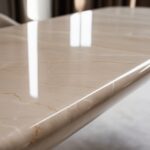
Look and uniqueness. Marble veins are irregular, three-dimensional and never repeat. Porcelain reproduces a limited set of printed patterns, so the same “vein” reappears across the floor. Up close, natural stone has a depth that print struggles to match.
Scratch and impact resistance. Porcelain is very hard and resists surface scratching well. Marble is softer and can be marked by grit or sharp objects, though it absorbs impact in its own way. On both, a dropped heavy item can chip an edge.
Stains, acids and detergents. This is where behaviour differs most. Marble is a calcium-based stone: acidic liquids like lemon, wine or vinegar can etch the surface, and an untreated slab can absorb stains. Porcelain is non-porous and largely indifferent to acids. A sealed marble floor, however, handles daily life very comfortably.
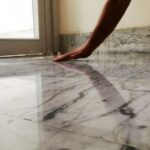
Feel and grout lines. Marble feels cool, dense and continuous, and large slabs mean fewer joints. Porcelain tiles require more grout lines, which interrupt the pattern and collect dirt over time.
Thickness, laying and recovery. This is the decisive advantage of stone: marble can be re-honed and re-polished to erase scratches and etching, bringing it back to life for decades. Porcelain cannot be recovered — once the printed surface is worn or chipped, the tile is replaced.
| Criterion | Natural marble | Marble-effect porcelain |
|---|---|---|
| Vein uniqueness | Unique, full-body | Repeated prints |
| Scratch resistance | Moderate | High |
| Acid resistance | Needs care | Very high |
| Grout continuity | Large slabs, few joints | More joints |
| Can be restored | Yes, re-polishable | No |
Which one wins, room by room
Living room. Marble shines here: low abrasion, high visibility, and veining that becomes a feature. A sealed floor stays elegant for years.
Kitchen. A frequent battleground of acids and spills. Porcelain is the easy, worry-free choice; marble is still excellent if you commit to a stain-proof treatment and prompt cleaning.
Bathroom. Both work well. Marble offers a spa-like warmth and continuity; porcelain simplifies maintenance around water and products.
High-traffic areas. Hallways and entrances favour porcelain for scratch resistance, though polished marble can be refreshed whenever wear shows.
Outdoors and stairs. For steps and exteriors, porcelain’s hardness and slip options are practical, while marble stairs deliver an unmatched sense of solidity indoors.
Mistakes to avoid
- Choosing porcelain thinking it never needs care. Grout lines still need cleaning and joints can harbour dirt.
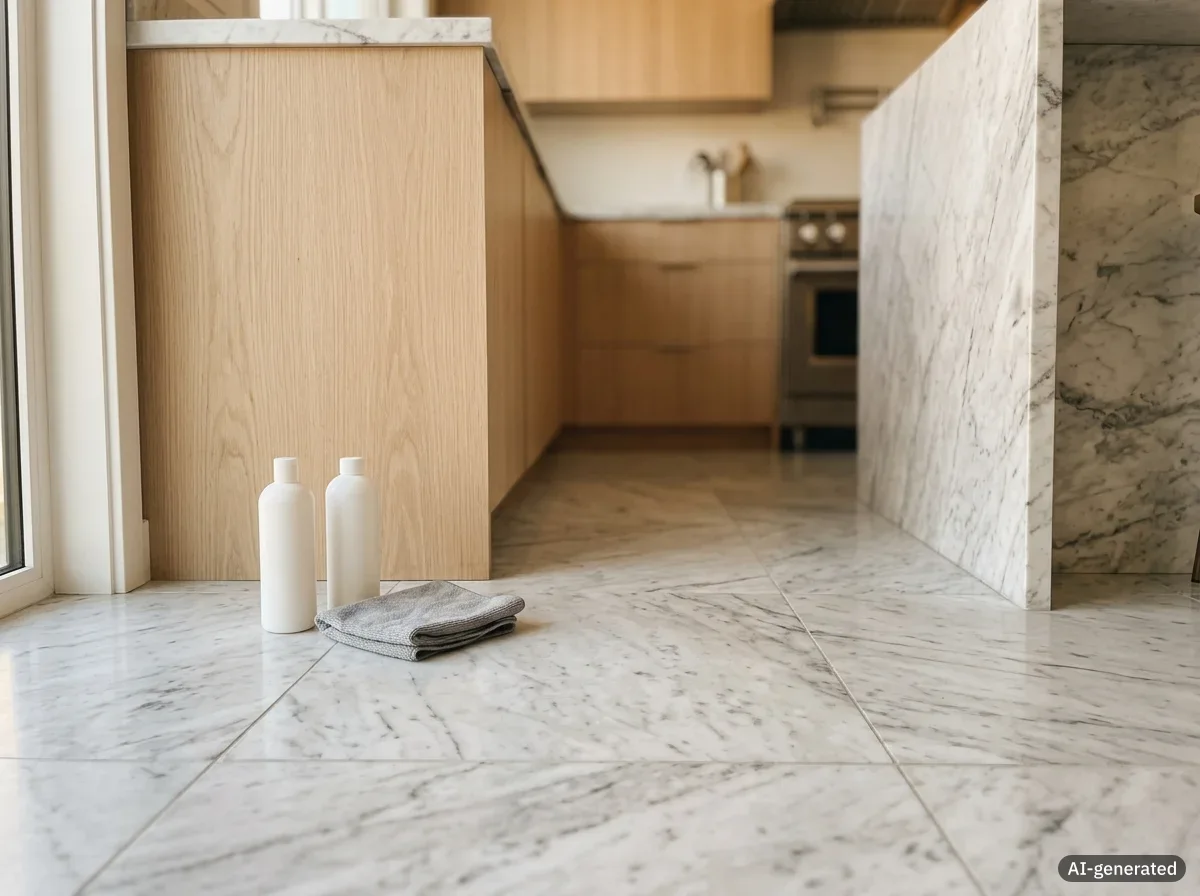
- Using acidic cleaners on marble. Descalers and vinegar-based products etch the surface — always use pH-neutral, stone-safe cleaning.
- Skipping the initial stain-proof treatment. An unprotected marble floor is far more vulnerable; sealing from day one changes everything.
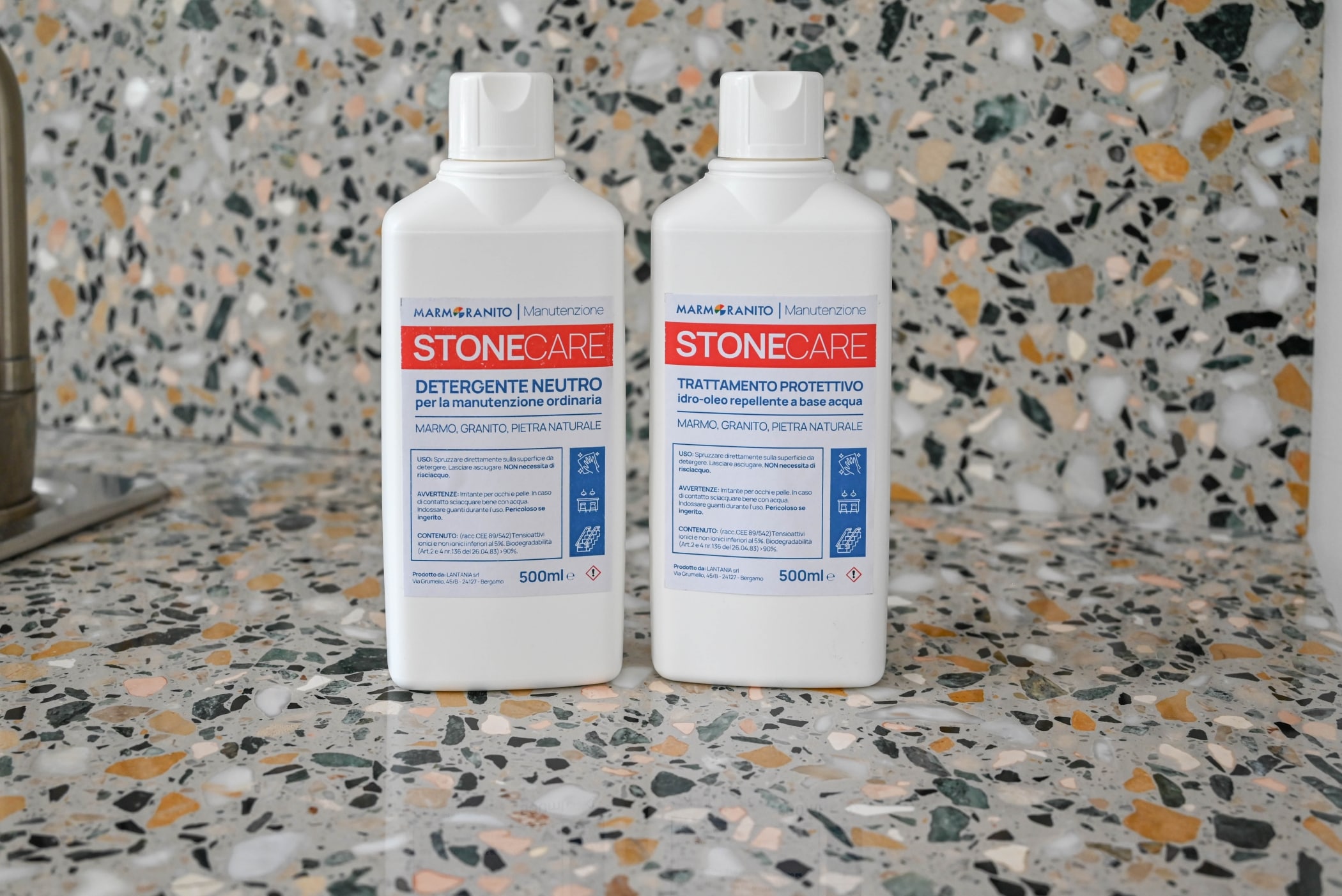
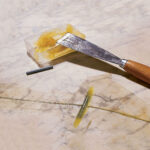
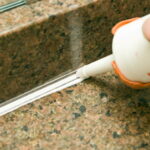
For natural stone, our StoneCare Kit – Stain Treatment for Marble & Granite provides the essential stain-proof protection at installation, and the Kit MarbleShine – Marble Re-Polishing Treatment restores gloss when the surface loses its shine. Together they keep marble performing like new.
Frequently asked questions
Is marble harder to maintain than porcelain?
It needs more mindful care — pH-neutral cleaners and an initial seal — but it rewards you with a surface that can be restored indefinitely.
Can marble be used in a kitchen?
Yes, provided it is treated with a stain-proof product and spills are wiped quickly to prevent etching.
Can porcelain be re-polished like marble?
No. Porcelain cannot be recovered; a worn or chipped tile must be replaced, whereas marble can be re-honed.
How do I tell marble from marble-effect porcelain?
Look at repetition: marble veins never repeat and run through the thickness, while porcelain shows recurring printed patterns and more grout lines.
What should I use to clean marble daily?
Only pH-neutral, stone-safe products such as those in the Kit Marmo — never acidic descalers.